About Us

The Gujarat Themis Biosyn Limited (GTBL) Story
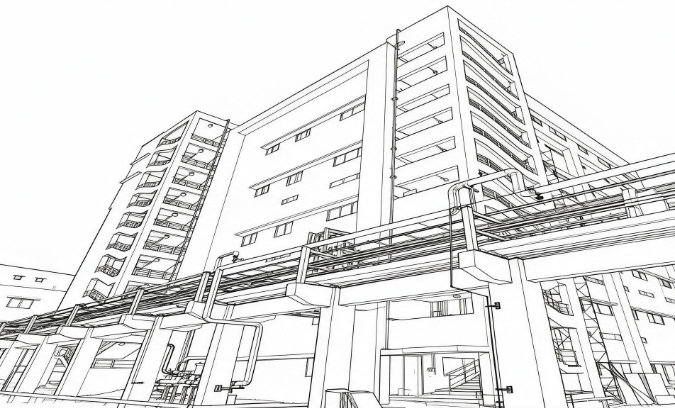
Gujarat Themis Biosyn Limited (GTBL) was incorporated in 1981 as a joint-sector company with Gujarat Industrial Investment Corporation (GIIC) Limited.

GTBL commenced operations with the production of Erythromycin and its salts. In 1991, ownership of the Company was transferred from Chemosyn Pvt. Ltd. to Pharmaceutical Business Group (India) Ltd. (PBG).

Subsequently, Themis Medicare and PBG entered into a technical and financial collaboration with Yuhan Corporation, South Korea. With the support of Yuhan Corporation’s technical expertise and know-how, GTBL became the first company in India to commence the commercial production and marketing of Rifampicin, an important anti-tuberculosis medicine.

This milestone marked a significant achievement in GTBL’s history and contributed to the development of India’s pharmaceutical manufacturing capabilities, particularly in the field of anti-tuberculosis medicines.


Company Overview

From Rifamycin Leadership to Future-Ready Biomanufacturing

GTBL is a listed, fermentation-led biopharmaceutical company built over four decades of expertise in microbial fermentation, pharmaceutical intermediates, and API manufacturing.

Rooted in complex fermentation science, GTBL is now evolving beyond its historical role as an intermediate manufacturer into an innovation-led API and biomanufacturing platform for critical therapies and emerging global health needs.

Built on a Strong Anti-TB and Anti-Infective Foundation

GTBL’s legacy is anchored in the Rifamycin platform, including Rifamycin S and Rifamycin O — important fermentation-derived intermediates used in the manufacture of key anti-infective APIs such as Rifampicin and Rifaximin.

This foundation connects GTBL to therapies of global importance, including anti-TB and anti-infective treatments. As tuberculosis and infectious diseases continue to remain major global health priorities, GTBL’s fermentation expertise gives the company a strong foundation in molecules that matter to public health.

Advancing API Biomanufacturing

Today, GTBL is moving up the pharmaceutical value chain — from fermentation-derived intermediates into APIs, advanced molecules, and integrated manufacturing opportunities.

The company is building capabilities across fermentation-derived APIs, synthetic APIs, process development, pilot-scale development, scale-up, commercial manufacturing, and regulatory documentation support. This positions GTBL as more than a product manufacturer; it positions the company as a development-to-manufacturing platform.

Next-Generation Fermentation Science

GTBL’s next phase of growth is focused on strengthening its fermentation science and bioprocessing capabilities.

This includes strain and process development, upstream processing, downstream processing, USP and DSP optimization, microbial expression systems, fermentation scale-up, and commercial manufacturing readiness. These capabilities enable GTBL to support complex fermentation-derived APIs, intermediates, functional enzymes, recombinant proteins, and future synthetic biology-enabled opportunities.

Green Chemistry and Cleaner API Manufacturing

Green chemistry is an important part of GTBL’s future manufacturing philosophy.

Through improved yields, process optimization, cleaner routes, solvent and waste reduction, enzyme-enabled technologies, and more efficient fermentation processes, GTBL is working toward manufacturing approaches that improve both commercial efficiency and environmental responsibility.

For GTBL, sustainability is not only an ESG message. It is also a technical advantage — better processes can mean better yield, lower waste, improved scalability, cleaner manufacturing, and stronger long-term competitiveness.

Enzymes, Biologics and Emerging Therapies

GTBL is also advancing into biologics and next-generation therapeutic platforms through its in-house Biologics R&D capabilities.

This includes work around advanced biologics, peptides, recombinant proteins, functional enzymes, microbial expression systems, and future synthetic biology-led platforms. These capabilities expand GTBL’s identity from classical fermentation into a broader biopharmaceutical innovation platform.

Integrated Manufacturing Through the Themis Ecosystem

GTBL's transformation is strengthened by the wider Themis Medicare ecosystem.

GTBL brings fermentation depth, API transition, fermentation R&D, biologics R&D, pilot-scale capabilities, and commercial fermentation manufacturing. Themis Medicare adds synthetic chemistry, formulations, injectables, therapeutic products, and broader pharmaceutical manufacturing capabilities.

Together, the GTBL-Themis ecosystem creates an integrated manufacturing story across fermentation science, synthetic APIs, biologics R&D, green chemistry, scale-up, commercial manufacturing, and future-ready pharmaceutical platforms.

Serving Critical Therapies and Global Health

GTBL's purpose is connected to manufacturing molecules that support critical therapies — from anti-TB and anti-infective products to emerging next-generation therapies.

With its fermentation heritage, API manufacturing transition, biologics R&D, green chemistry focus, and integrated manufacturing capabilities, GTBL is positioning itself as a future-ready biopharmaceutical and API manufacturing platform serving India and global healthcare markets.

The Themis Medicare Group

Themis Medicare Limited

Visit Website

Artemis Biotech Limited

(A Division of Themis Medicare Ltd.)

Richter Themis Medicare (India) Pvt. Ltd.

(JV with Gedeon Richter Plc, Hungary)

Gujarat Themis Biosyn Limited

(Associate Company of Themis Medicare Ltd.)

MicroBiopharm Japan

(100% Subsidiary of GTBL)

Our Milestones

Evolution of a Fermentation-Driven Pharmaceutical Platform

1980
1980
Foundation in Fermentation
  • GTBL was incorporated in 1981 as a joint sector company, establishing its foundation in fermentation-based pharmaceutical manufacturing.
  • Commercial operations commenced in 1985 with production of Erythromycin and its derivatives, marking the beginning of its antibiotic manufacturing journey.
  • GTBL began its journey as a manufacturer of anti-infective medicines and over the years, steadily elvolved to build specialize expertise in the development and manufacturing of anti-TB products.
1990
1990
Strategic Transformation & Anti-TB Focus
  • The company underwent a significant transformation in 1991 with its acquisition by Pharmaceutical Business Group (India) Ltd. (PBG).
  • A key milestone was the technical collaboration with Yuhan Corporation, South Korea, enabling GTBL to become India's first company to commercially produce Rifampicin, establishing a strong foothold in anti-tuberculosis therapies.
2000
2000
Process Strengthening & Portfolio Expansion
  • During this phase, GTBL strengthened its fermentation processes and expanded its product portfolio within rifamycin and antibiotic segments.
  • Focus remained on improving downstream processing, consistency, and manufacturing efficiency.
  • Introduce Lovastatin manufacturing in 2003.
2010
2010
Scale, Optimization & Manufacturing Depth
  • The company expanded its fermentation capabilities and multi-block API manufacturing infrastructure.
  • Continuous improvements in upstream and downstream processes enhanced scalability, yield optimization, and operational efficiency.
2020
2020
Platform Strengthening & Operational Excellence
  • GTBL focused on strengthening its manufacturing systems through process improvements and operational optimization.
  • This phase laid the groundwork for large-scale expansion and future diversification into advanced platforms.
2024
2024
Capacity Expansion & Entry into Biologics
  • GTBL expanded its fermentation infrastructure with the addition of a 400 cubic meter line for Rifa S and Rifa O, significantly increasing production capacity.
  • At the same time, the company initiated its Biologics Department, establishing capabilities in recombinant technologies, strain development, and early-stage R&D — marking its entry into next-generation biopharmaceutical platforms.
2025
2025
Commercial Scale, Regulatory Progress & Strategic Shift
  • The newly added capacity blocks became fully operational, enabling commercial-scale production of intermediates for anti-tuberculosis and antibiotic products.
  • GTBL achieved GMP certification in December 2025, with WHO-GMP approval expected in 2026, strengthening its global regulatory positioning.
  • Production capacity now expanded to 38 MT per month for Rifamycin S or Rifamycin O following after additional capacity enhancement in fermentation.

From the Chairman's Desk

Dear Friends,

It is my utmost pleasure to welcome you to Gujarat Themis Biosyn Limited (GTBL), Vapi, one of India’s leading research-based bio-technology company.

At GTBL, we are in innovation, developing and manufacturing pharmaceutical products by advancing and applying innovative fermentation based technologies.

Over the years, our pursuit for better ways to maintain and restore health has resulted in a steady stream of pioneering developments, particularly in the field of anti-infective products using fermentation based technology.

We strive to make a meaningful and unique contribution to better healthcare through the development, manufacturing, and reliable supply of high-quality product, manufactured in accordance with stringent GMP standards.  Our mission is to reduce patient suffering and improve the health and quality of life of people around the world. For more than four decades, we have pursued this mission with rigid perseverance, sincere dedication, meaningful imagination and professional skill.

Our workforce are our greatest strength. Their continuous commitment, expertise and contribution enable us to pursue our mission and achieve our goals. We also take great pride in our long-standing relationships and close understanding with all our business partners.

Once again, I warmly welcome you to GTBL - a company committed to transforming a great vision into reality through innovation, excellence and dedication in the field of bio-technology.

Dr. Dinesh Patel,
Ph.D.,CChem., FRSC(Lon.)